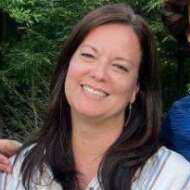
Did you know that July is Minority Mental Health Awareness Month? Our Director of Programs, Christopher Alarcón, is shining a light on those who are marginalized, stigmatized and underserved in our community this month.
Each July invites us to reflect on minorities and populations that, for various reasons, continue to be invisible to society. Among them are thousands of people living with substance use disorders who also face poverty, homelessness, or the lasting effects of human trafficking.
When discussing addiction treatment, people often think of individuals who still have family support, or some degree of financial stability. However, there is another, far more complex reality: those who have lost nearly everything and, in addition to struggling with addiction, carry the burden of rejection, abandonment, violence, and stigma.
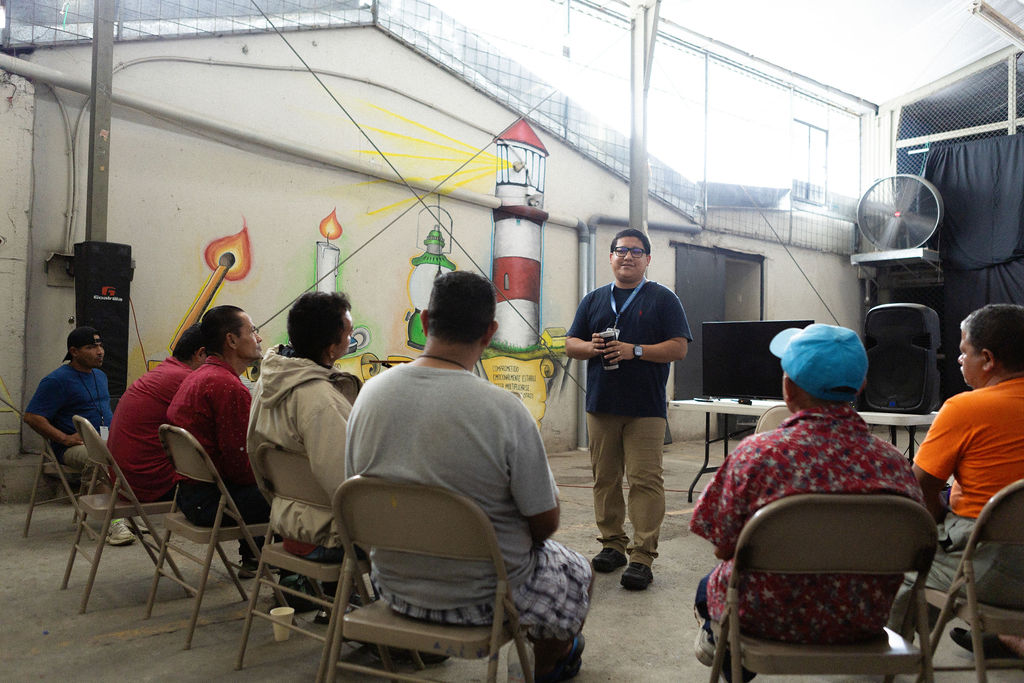
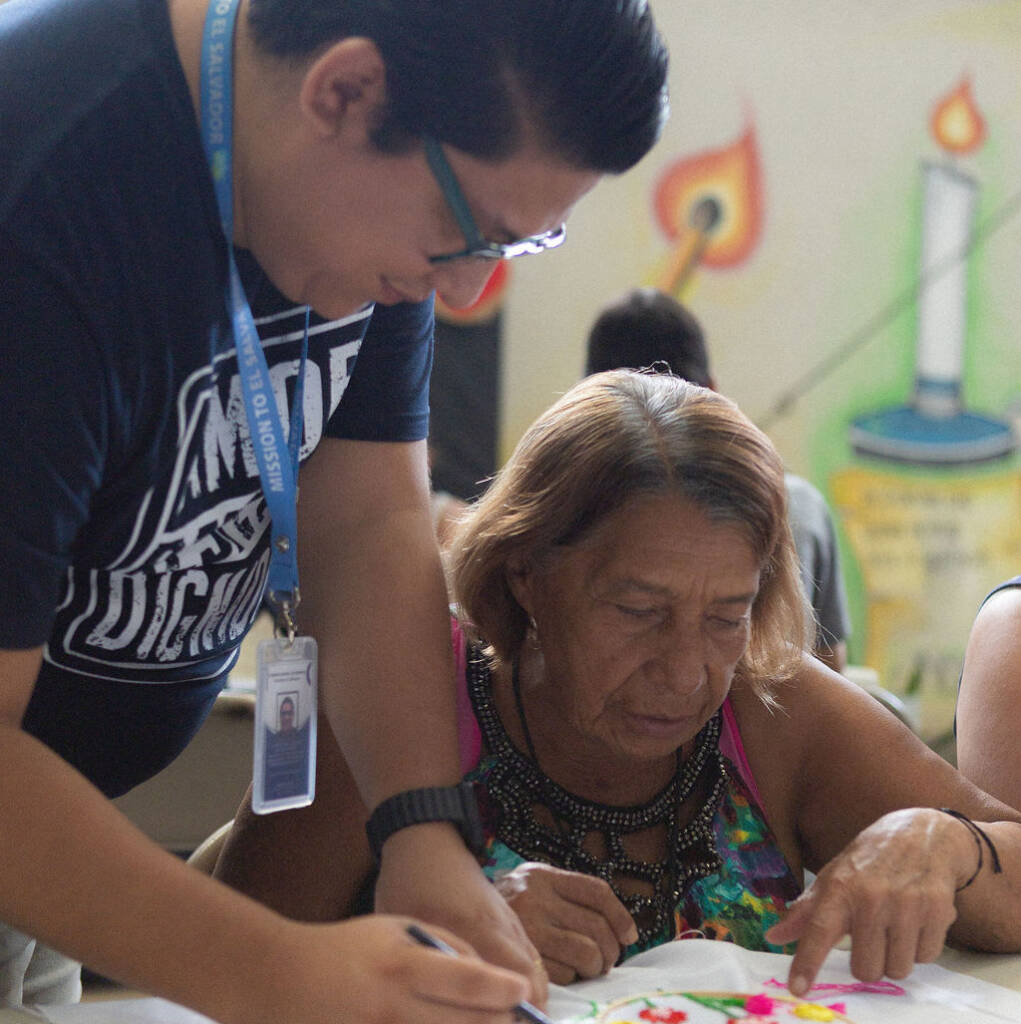
At Mission To El Salvador, we have learned that supporting these individuals requires far more than a rehabilitation program. It means restoring dignity, providing a safe place, healing emotional wounds, strengthening mental health, rebuilding relationships, and reminding each person that their life has immeasurable value.
Working with people who still have resources and support networks is not the same as walking alongside those who have been invisible for years. Recovery for individuals experiencing homelessness, extreme poverty, or the trauma of human trafficking requires a comprehensive, trauma-informed approach that is committed to social justice.
International reports continue to show that people facing the greatest vulnerability encounter significant barriers to accessing healthcare and treatment services. The 2025 World Drug Report emphasizes that the global rise in drug use makes it essential to expand access to evidence-based, person-centered treatment. Likewise, the World Health Organization (WHO) and the United Nations Office on Drugs and Crime (UNODC) stress that services must address the specific needs of those most experiencing multiple forms of social exclusion.
As a Christian organization, we believe this reality speaks directly to us through the Gospel. Jesus directed His ministry toward those who were rejected, forgotten, and considered unworthy by society. In Luke 4:18, He declared:
“The Spirit of the Lord is upon Me, because He has anointed Me to preach good news to the poor. He has sent Me to heal the brokenhearted, to proclaim liberty to the captives and recovery of sight to the blind, to set at liberty those who are oppressed.” (NKJV)
The mission is as relevant today as ever. At Mission To El Salvador, we believe that recovery begins when someone is no longer invisible. That is why we work to provide comprehensive care for those who are often marginalized, convinced that love, scientific evidence, and faith can work hand in hand in the process of transformation.
A truly healthy community is not one that serves only those with greater opportunities, but one that chooses to draw near to those who have suffered the most, recognizing that no person is beyond the reach of hope.